The Luminous Heart of India: A Deep Dive into Diwali, the Festival of Lights
For five days each autumn, the vast subcontinent of India, and indeed the global Indian diaspora, erupts into a dazzling spectacle of color, light, and joy. This is Deepavali, or more commonly Diwali – the Festival of Lights. But to dismiss it as simply a time for fireworks and sweet treats is to overlook its profound significance. Diwali is more than just a holiday; it is the beating heart of Indian culture, a complex tapestry woven with threads of mythology, sociology, economics, and spirituality. Understanding Diwali is key to understanding the deep-rooted values that shape the Indian worldview.
The name ‘Deepavali’ itself, derived from the Sanskrit words ‘deepa’ (lamp) and ‘avali’ (row), hints at the festival’s core motif. The lighting of countless earthen oil lamps, or diyas, symbolizes the triumph of light over darkness, knowledge over ignorance, and good over evil. This theme of resilience and the ultimate victory of righteousness resonates deeply with the Indian psyche, finding expression in diverse ways across different regions.
Mythological Roots: A Multifaceted Celebration
The beauty of Diwali lies in its rich pluralism. While the underlying theme of good conquering evil remains constant, the stories that underpin the festival vary significantly across India’s diverse regions. In Northern India, the primary narrative centers on the triumphant return of Lord Rama to Ayodhya after his fourteen-year exile. Rama, the protagonist of the epic Ramayana, had just defeated the demon king Ravana, who had abducted his wife, Sita. Legend has it that the citizens of Ayodhya were so overjoyed at his return that they illuminated the city with rows of oil lamps to welcome him home. Thus, Diwali is celebrated as a homecoming, a time to rejoice in the restoration of a just and righteous rule.
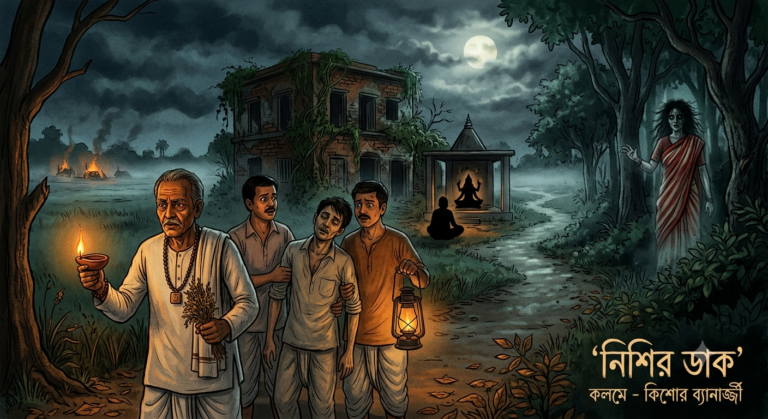
In Eastern India, particularly in Bengal, the focus shifts to Goddess Kali, a fierce manifestation of the divine feminine. Diwali here coincides with Kali Puja, which honors the goddess who annihilates ego, illusion, and all that is negative. The darkness of the Amavasya (new moon) night is seen as the perfect backdrop for this intense worship, where Kali, wearing a garland of skulls and holding a severed head, represents the ultimate destruction of evil and the path to liberation. This fierce aspect of the festival emphasizes the necessity of directly confronting and overcoming the darker aspects of existence.
Southern India has its own unique interpretation. Here, Diwali commemorates the victory of Lord Krishna over the arrogant demon Narakasura. The story goes that Narakasura, after conquering all three worlds, had imprisoned thousands of women. Krishna, with the help of his wife Satyabhama, fought a fierce battle and slew the demon. On his return, Krishna was given a warm welcome with lamps, a practice that continues to this day. This version emphasizes the protection of the innocent and the power of divine intervention against tyrannical forces.
Furthermore, in Western India, the festival is also associated with the New Year (particularly in Gujarat). Businesses close their accounts and open new ones, and Goddess Lakshmi, the deity of wealth and prosperity, is propitiated. The lights are lit to invite her into homes and establishments, as she is believed to avoid dark places. This aspect highlights the pragmatic side of Indian culture – the recognition that material well-being, when obtained through ethical means, is a necessary part of a fulfilling life.
These diverse mythological interpretations don’t compete; rather, they coexist, creating a rich and multifaceted celebration. They demonstrate the inherent pluralism of Indian thought, where the same festival can embody different stories while holding true to a universal truth. This adaptability is key to Diwali’s enduring popularity and relevance.
Beyond the Myths: Sociological and Cultural Dimensions
While the mythological roots provide the spiritual framework, Diwali is equally significant as a social and cultural event. It acts as a powerful adhesive, bringing families and communities together in a shared experience of joy. The weeks leading up to Diwali are a hive of activity. Homes are meticulously cleaned – and often whitewashed or painted – to welcome Goddess Lakshmi. It’s a time for renewing the environment, a symbolic purge of the old to make way for the new.
New clothes are essential, a custom that symbolizes the freshness and optimism associated with the festival. The air fills with the aroma of countless traditional sweets and savory snacks (mithai and farsan) being prepared. Sharing these delicacies with friends, neighbors, and colleagues is a fundamental part of the festival, reinforcing social bonds and fostering a sense of community. The act of gifting, in general, is very common during Diwali, ranging from boxes of sweets and dry fruits to elaborate presents. It’s an opportunity to express affection, gratitude, and good wishes.
The festival also has significant economic ramifications. It is the peak shopping season in India, often referred to as the “Indian Black Friday” equivalent but lasting much longer. Everything from automobiles and electronics to jewelry and household goods sees a massive surge in sales. Businesses large and small plan their annual strategies around Diwali, and for many sectors, it is the make-or-break period of the year. This intense economic activity is a testament to the festival’s deep integration into the very fabric of Indian life.
However, the sociological impact extends beyond materialism. Diwali is a time of immense charity and philanthropy. Many people and organizations use this occasion to donate to the less fortunate, upholding the value of dana (giving), which is central to Indian philosophy. This aspect of the festival serves as a crucial reminder of social responsibility and the importance of ensuring that the light of happiness is shared by all.
Spiritual Awakening: The Inner Meaning of Light
While the external celebrations of Diwali are marked by lights, fireworks, and festivities, the festival holds a deeper spiritual significance. The physical lighting of diyas is a metaphor for an inner lighting of the lamp of wisdom. It is a time for introspection, for reflecting on one’s life, and for dispelling the darkness of ego, ignorance, greed, and other negative qualities.
The festival coincides with the darkest night of the lunar month (Kartik Amavasya). This darkness is seen not as something to be feared but as an opportunity. It represents a state where the senses are turned inwards, allowing the individual to search for the divine light that resides within. This inner light, often called atman or brahman, is believed to be eternal and immutable, untouched by the shadows of the external world.
The five days of Diwali – Dhanteras (focus on wealth, both material and spiritual), Naraka Chaturdashi (cleansing and renewal), Lakshmi Puja (invoking prosperity and purity), Govardhan Puja (honoring nature and community), and Bhai Dooj (celebrating the sibling bond) – each offer a unique lens for reflection. The prayers offered are not just for material gain but also for intellectual and moral progress. It’s a time to cultivate positive virtues like kindness, patience, honesty, and compassion, thus illuminating the pathways of the soul.
The Role of Arts and Rituals
The cultural richness of Diwali is also beautifully expressed through art and ritual. Rangoli, intricate colorful floor patterns made with colored powders, rice flour, or flowers, is a common sight at the entrance of homes. These designs are believed to welcome deities and guests and represent the vibrant diversity of life. The lighting of lamps is itself a ritual that combines aesthetics with symbolism. The selection of materials, the design of the diyas, and the placement of the lights are all done with care and devotion.
Fireworks, though a modern addition to the festivities, have become a contentious but undeniably prominent part of Diwali. While they add to the spectacle and excitement, particularly for children, the resulting air and noise pollution has raised significant concerns. This has led to a growing movement towards eco-friendly Diwali celebrations, with people opting for ‘green crackers’ or abstaining from them altogether. This evolving dialogue demonstrates that Indian culture is dynamic and capable of adapting to new challenges, balancing tradition with modern concerns like environmental sustainability.
Music, dance, and cultural performances also play a vital role. In some parts of India, specific dances like the Garba (in Gujarat) or traditional plays based on mythological themes are performed. The sound of crackers is often accompanied by the joyful strains of festive songs, further enhancing the carnivalesque atmosphere.
The Global Diwali: Unity in Diversity
In today’s globalized world, Diwali has transcended the borders of India. It is celebrated with great gusto by millions of Indians and people of Indian origin across the globe. From Times Square in New York to the banks of the Thames in London, major cities around the world bear witness to the spectacle of lights. This global celebration has transformed Diwali into an international symbol of peace, joy, and multiculturalism.
The global spread of Diwali also highlights the adaptability of Indian culture. The ways in which the festival is celebrated vary greatly depending on the local context, yet the core spirit of light, joy, and renewal remains intact. It serves as a powerful reminder of the global reach of Indian values and the contribution of the Indian diaspora to the global cultural landscape. In many countries, Diwali has been officially recognized, and world leaders often send greetings, acknowledging its significance. This not only empowers the Indian community but also fosters cross-cultural understanding and appreciation.
Challenges and Evolving Traditions
As with any long-standing cultural phenomenon, Diwali is not without its challenges. The commercialization of the festival has become a matter of concern for some, who argue that the original spiritual and social focus is being overshadowed by a frenzy of consumerism. The pressure to spend large amounts on gifts and decorations can create unnecessary stress, particularly for those with limited means.
Furthermore, the environmental impact of fireworks has become a major issue. The severe air pollution that plagues many Indian cities, especially Delhi, in the aftermath of Diwali has led to calls for greater restraint and stricter regulations. This has triggered an important debate within Indian society about the balance between tradition and environmental responsibility. The emergence of eco-friendly practices, such as using organic colors for rangoli and opting for traditional, smoke-free oil lamps, is a positive development that demonstrates a willingness to adapt.
Another important aspect is the need for inclusivity. While Diwali is a joyous occasion for most, it can be a challenging time for those who are marginalized or facing hardship. The increasing economic disparity in India is particularly stark during the festival, and efforts to make the celebrations more inclusive and equitable are crucial. This involves not only individual acts of charity but also a broader societal effort to address systemic issues.
Conclusion: The Eternal Radiance of Diwali
Diwali is much more than a collection of myths, rituals, and festive activities. It is a profound expression of the Indian ethos, a vibrant celebration that embodies the deepest values of Indian culture. It is a time for individual renewal, family bonding, community celebration, and spiritual introspection. The festival’s ability to weave together diverse mythological narratives, sociological functions, economic realities, and spiritual ideals is a testament to the complexity and richness of Indian tradition.
In a world often marred by darkness, division, and despair, Diwali serves as a powerful symbol of hope and a reminder of the enduring power of light. It inspires us to confront the darkness within and without, to strive for knowledge, goodness, and justice, and to illuminate the path for others. The spirit of Diwali, with its emphasis on joy, generosity, and inner awakening, holds a universal relevance that extends far beyond the borders of India. It is a beacon of hope, a reminder that the light of love and wisdom can, and will, always triumph over the darkness. The eternal radiance of Diwali continues to illuminate not just the streets and homes of India, but the very soul of the nation and its people.